

AI Is Reshaping the Labour Market: What Business Leaders Discussed in Almaty
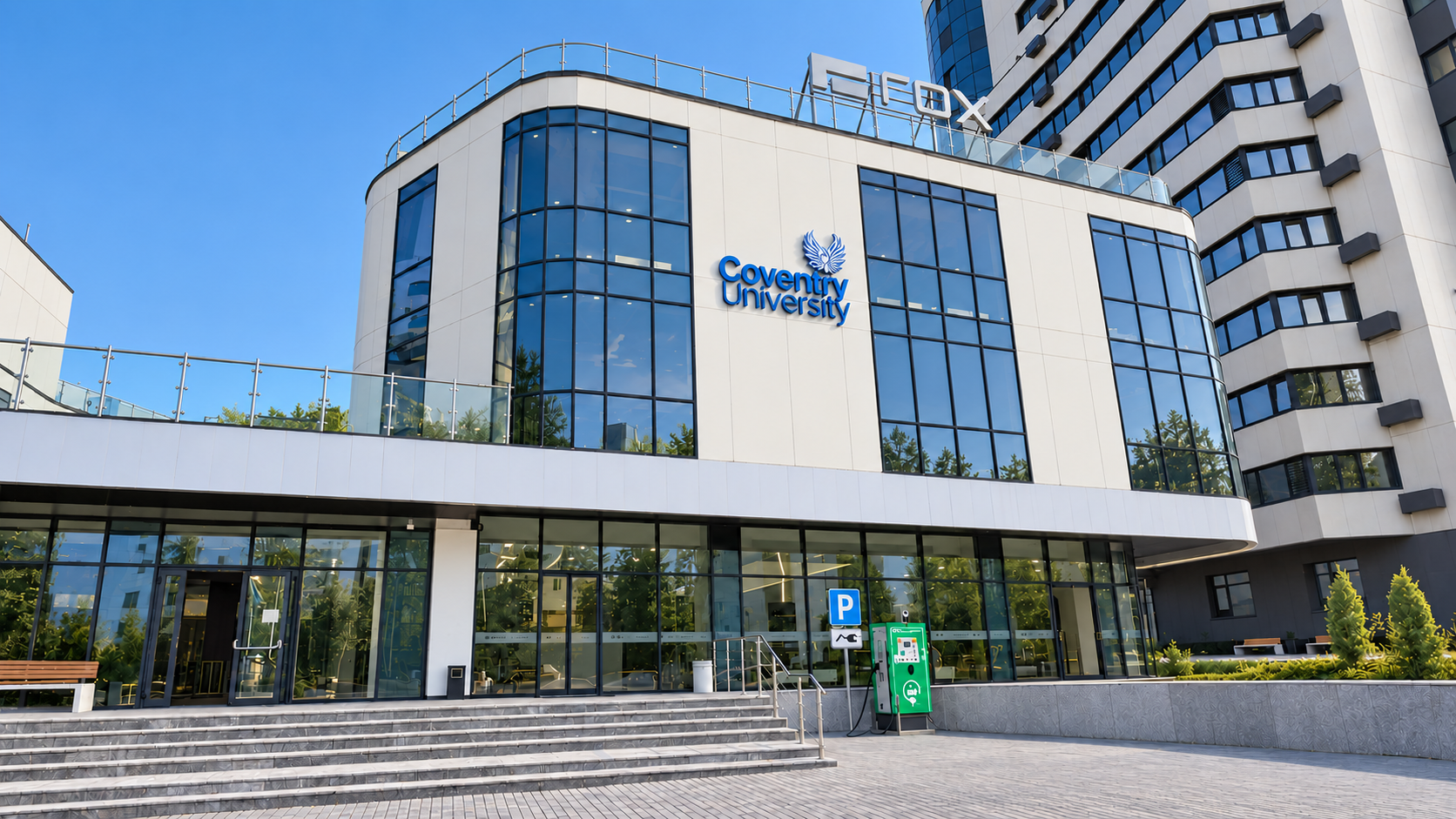
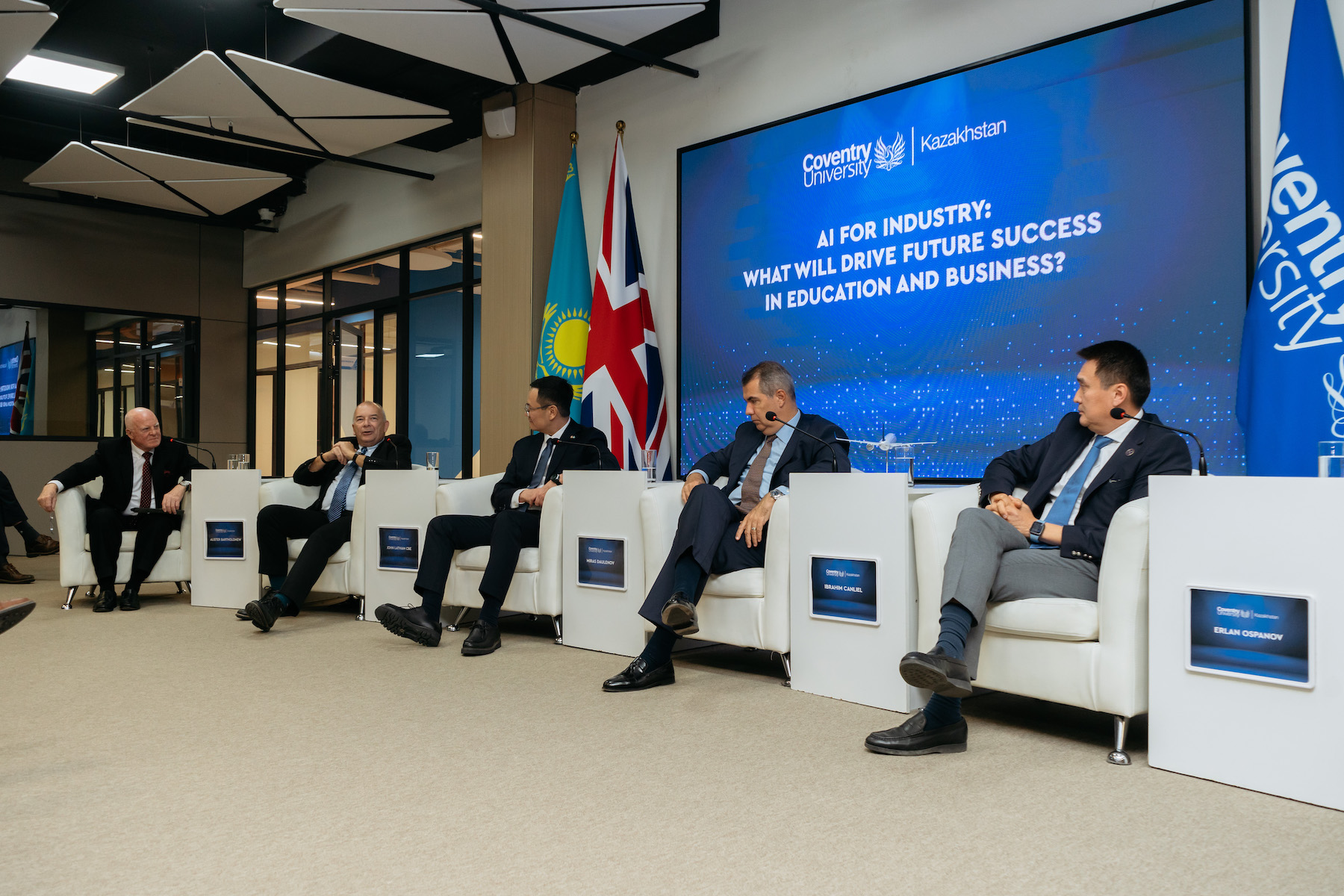
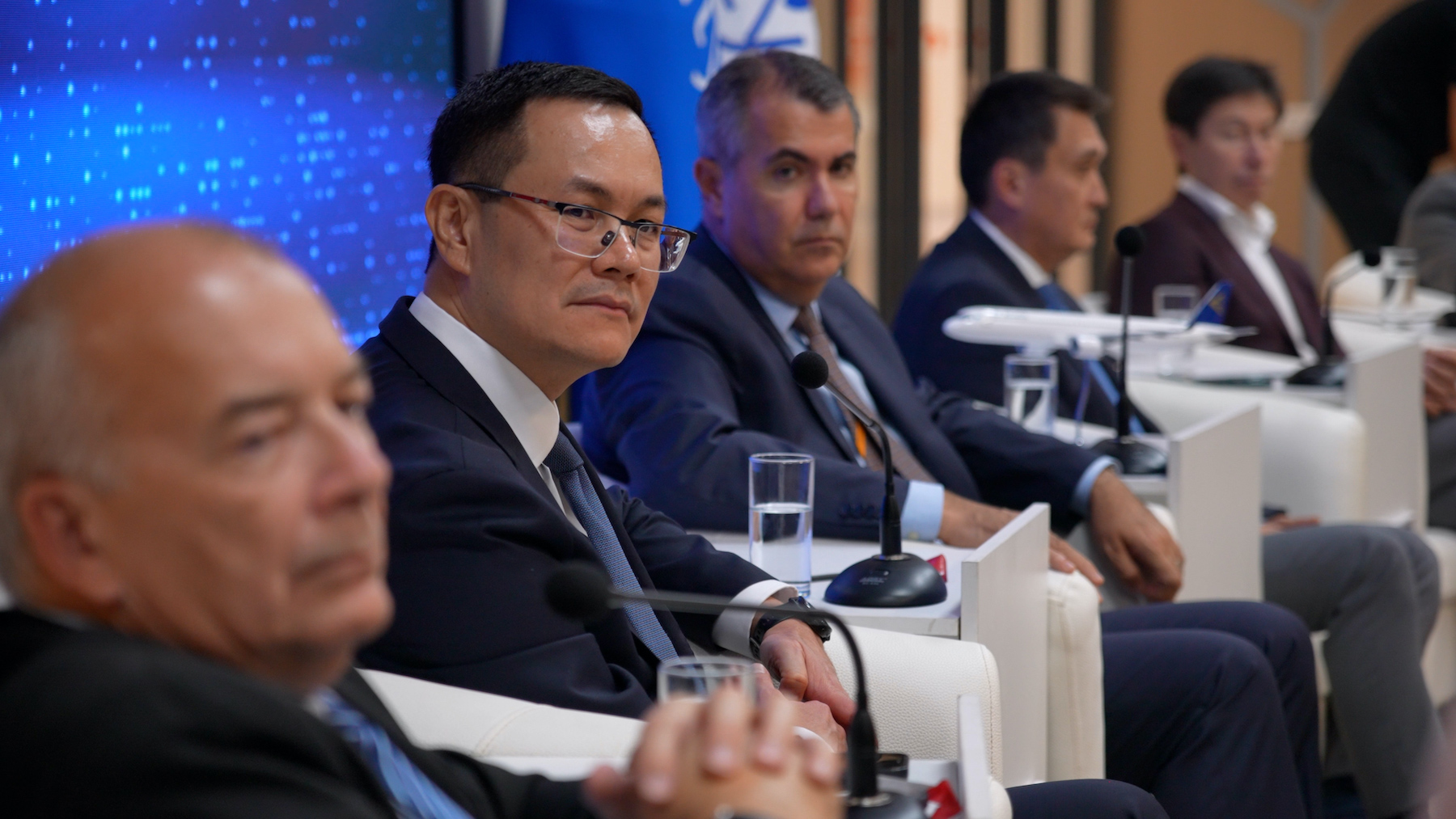
Executives and owners of major companies discussed the impact of artificial intelligence on business in Kazakhstan and the preparation of future professionals. The discussion took place at the new campus of Coventry University Kazakhstan in Almaty, according to the university.
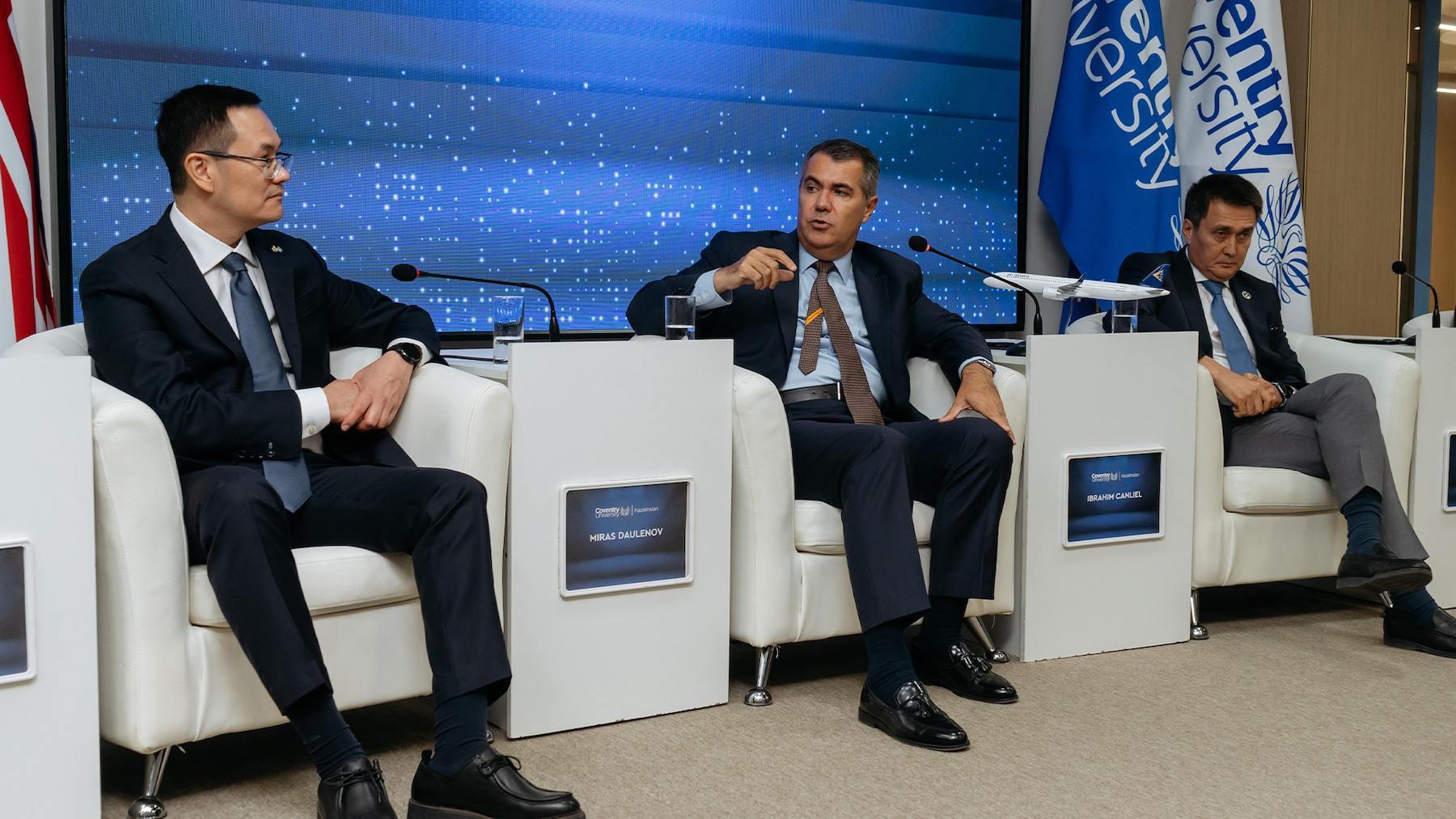
Participants noted that the impact of artificial intelligence is already becoming evident in practice. Ibrahim Zhanlyel, CEO of Air Astana, believes that routine tasks will increasingly be transferred to AI, but does not expect airlines to hire fewer people.
“The system we introduced last year allows us to save around $15 million a year by improving fuel efficiency. However, I do not think we will hire fewer people. Rather, we will use their potential more effectively,” he said.
At the same time, participants highlighted another aspect of AI adoption — the changing expectations of young professionals. Duncan MacDougall, Director of Exploration at Lucent Petroleum, noted that AI has almost eliminated many of the tasks through which young specialists previously gained practical experience and developed their skills. He called on universities to focus on fundamental education, as final decisions will ultimately be made by people, not AI.
Eldar Abdrazakov, Founder of Centras Group, took a more cautious view of the rapid advancement of AI. According to him, only a few companies in Kazakhstan currently use AI agents and algorithms capable of operating without human involvement, primarily due to the lack of maturity in business processes and the readiness of companies’ ERP systems and internal models.
The idea that AI should remain a tool under human control was also supported by Yerlan Ospanov, Chairman of the Board of Directors of Sary-Arka Airport in Karaganda.
“Human intelligence is irrational, and that is its fundamental difference from artificial intelligence. Therefore, AI remains primarily a tool for me,” the businessman emphasised.
These developments are also changing the role of education: it must prepare people for continuous technological change. Professor John Latham, Vice-Chancellor of Coventry University Group, believes that the key task of education today is to teach young people how to learn throughout their lives and remain open to change. He sees the adoption of AI as an opportunity for Kazakhstan to make a qualitative leap in its economic development.
At Coventry University Kazakhstan, this approach is planned to be integrated across all areas of study.
“AI is not a threat but the core of the new economic agenda. As one of the leading technology-focused universities in the UK — and, we are confident, in Kazakhstan in the future — we simply have to teach students across all our disciplines how to work with AI, not just future IT specialists,” said Dr Miras Daulenov, President of Coventry University Kazakhstan.
The university’s Almaty campus offers undergraduate programmes in Business, Computer Science, Engineering, Art and Design, and International Relations, as well as MBA Global Business (Executive) and Global Finance programmes. The university’s first campus was launched in Astana in 2024. Today, more than 850 students study there.